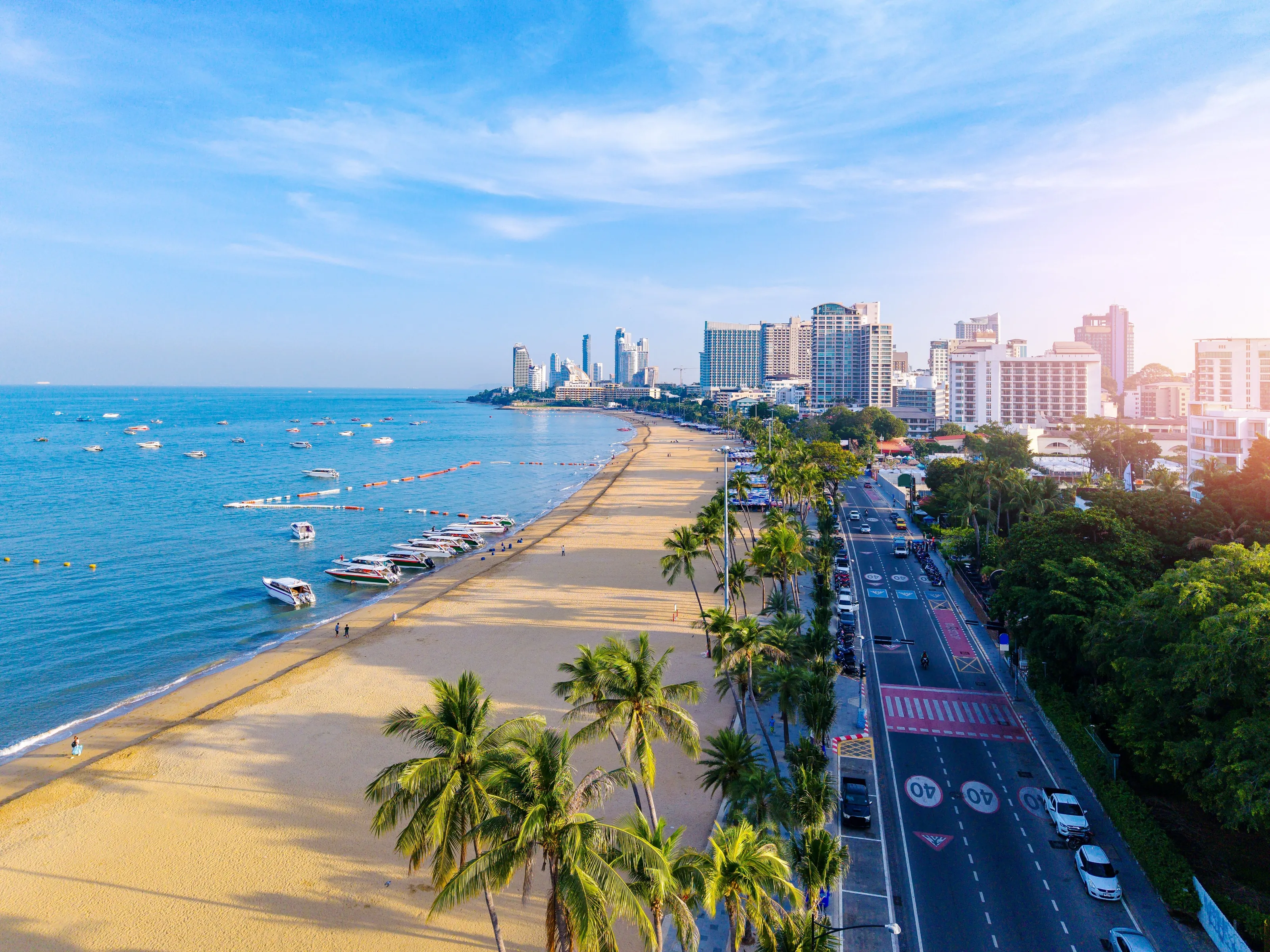
Bangkok
A 10-million-person metropolis where gold-spired temples and street-side woks share space with air-conditioned megamalls and rooftop bars.
Monthly life from
$750/mo
Rent from
$350/mo
Buy from
$90k
Internet
Average
Best time
Nov–Feb
Safety
7/10
Tourists
High
Good to know
Practical info
The scenery
A closer look
The numbers
What it costs
Prices are indicative estimates to help you imagine — not live listings.
Honest fit
Is this place for you?
You'll love it if
- Digital nomads who want strong coworking infrastructure and street food at every corner
- Nightlife lovers who enjoy everything from jazz bars to mega-clubs
- Long-term renters seeking value—spacious condos for a fraction of the price of Singapore or Tokyo
- Culture enthusiasts willing to learn a few Thai phrases and navigate beyond tourist zones
- Food-driven people who see dinner as a nightly exploration
Maybe not if
- Those who need consistently clean air (PM2.5 season runs December–March)
- Anyone who requires seamless walkability or has mobility issues
- People who dislike heat and humidity that rarely drops below 80%
- Anyone looking for quick, easy access to nature without a 2+ hour drive
The honest picture
The good
- Cost of living is low for a capital city, especially food and local transport
- BTS and MRT keep key corridors out of traffic gridlock
- A huge range of housing styles from vintage shophouses to glassy high-rises
- Some of the best street eating on the planet, at all hours
- Well-established communities of freelancers, entrepreneurs, and creatives
The trade-offs
- Air quality can drop to harmful levels during burning season and traffic build-up
- Footpaths are often uneven, blocked, or simply absent
- Road traffic is among the worst in the world; even short car trips can take over an hour
- The rainy season brings flash flooding and days of soggy commutes
- Visa rules change, and long-term stability requires ongoing paperwork
Daily life
Lifestyle notes
Bangkok is a sprawling, contradictory city that resists easy summary. Whole neighborhoods live in the shade of elevated highways; a five-minute walk takes you from a 200-year-old temple to a 7-Eleven. The Chao Phraya River still functions as a working spine—commuter ferries, rice barges, and dinner cruises all jostle for space. Modernity is concentrated along the BTS and MRT lines, where condos, co-working spaces, and Japanese ramen shops cluster. Two sois away, life runs on charcoal stoves and plastic stools. The heat and humidity are constant companions from March through October, with monsoon downpours that can transform streets into ankle-deep ponds within an hour. It is a city that demands patience: for the traffic, for the bureaucracy, for the smell of burning sugarcane or diesel hanging in the air. But for those who settle in, Bangkok offers a kind of chaotic efficiency—once you learn the shortcuts, the motorbike wave, and the fact that the best som tam is always at the shabbiest-looking stall.
Imagine your life here
Daily life revolves around the sois (side streets) that branch off major roads. Most people who live here long-term rent condos within walking distance of a BTS or MRT station—anything to avoid spending hours in a car. Mornings start with iced coffee from a push cart and maybe a bag of grilled pork with sticky rice. The midday heat pushes people indoors, so errands cluster in early morning or late afternoon. Evenings are social: a beer at an open-air restaurant, a trip to a night market for dinner, or catching a film at one of the luxury cinemas where a ticket comes with a reclining sofa. Expats and remote workers fill the cafes around Thonglor, Ekkamai, and Ari, while families often gravitate toward the quieter compounds of the outer suburbs, trading convenience for space and a garden. Weekend escapes to Kanchanaburi or Hua Hin become essential rituals after a few months in the noise.
More places like this
Chosen for you — these have a similar feel.