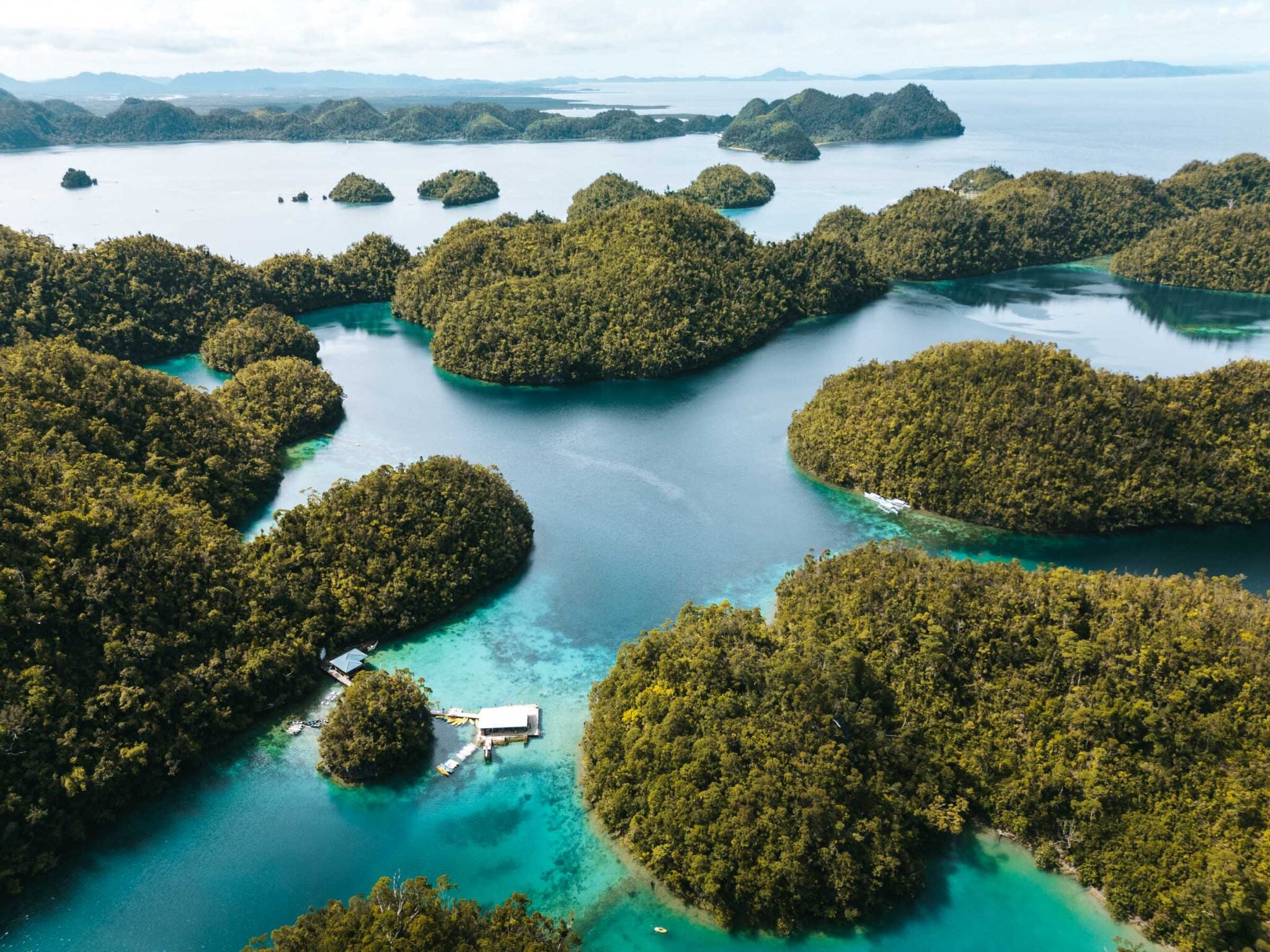
Koh Samui
A small tropical island in the Gulf of Thailand, Koh Samui is home to around 60,000 permanent residents and attracts over 2 million visitors annually. Its east coast is a string of long sand beaches; the interior is still dense with coconut plantations and low jungle hills.
Monthly life from
$800/mo
Rent from
$450/mo
Buy from
$75k
Internet
Good
Best time
Dec–Mar
Safety
8/10
Tourists
High
Good to know
Practical info
The scenery
A closer look
The numbers
What it costs
Prices are indicative estimates to help you imagine — not live listings.
Honest fit
Is this place for you?
You'll love it if
- Remote workers who want reliable internet with a beachside desk
- Couples and families who appreciate resort amenities and private healthcare
- Divers and snorkelers using Samui as a base for island-hopping
Maybe not if
- Strict budget travelers (accommodation and transport cost more than mainland Thailand)
- People who need a fully walkable city
- Anyone unwilling to ride a motorbike
The honest picture
The good
- Large variety of international and Thai dining options
- Good private hospital on the island (Bangkok Hospital Samui)
- Easy ferry access to Koh Phangan, Koh Tao, and Ang Thong Marine Park
The trade-offs
- Taxi mafia keeps transport prices high, with short rides often costing 300 baht
- October–November rains can flood low-lying roads and cause power cuts
- Seaweed can accumulate on east coast beaches during certain tides, making swimming unappealing
Daily life
Lifestyle notes
Koh Samui functions as a self-contained island with an international airport, private hospitals, and a year-round warm sea. Living here means accepting a landscape shaped by tourism—Chaweng’s beach road is lined with hotels and bars, while 15 minutes inland you find rambutan orchards and village temples. The island has a sizeable community of long-stay residents, including French, German, and Russian families, many running small businesses. Daily life revolves around morning markets, afternoon thunderstorms in the wet season, and knowing which side of the island has calmer water depending on the monsoon. The infrastructure tested by seasonal rains and the taxi monopoly are persistent annoyances, but the ease of weekend trips to Koh Phangan or Koh Tao keeps many people anchored here for a few seasons.
Imagine your life here
Mornings often start with a swim or a scooter ride to a local market for fresh coconut and khanom jeen. By 10am, coworking spaces like BeacHub fill with remote workers. Afternoons can be lazy—a massage under a fan, a hike to Na Muang Waterfall, or a long coffee at a beachside café. Evenings might involve a sunset drink at Fisherman’s Village walking street or a cheap pad thai at the Lamai night market. The permanent expat scene is informal, with small weekly meetups and the occasional art workshop. The island is small enough that errands are quick, but large enough that you need a motorbike. The lack of a cinema or large cultural venue after six months can make the island feel insular.
More places like this
Chosen for you — these have a similar feel.