Siargao
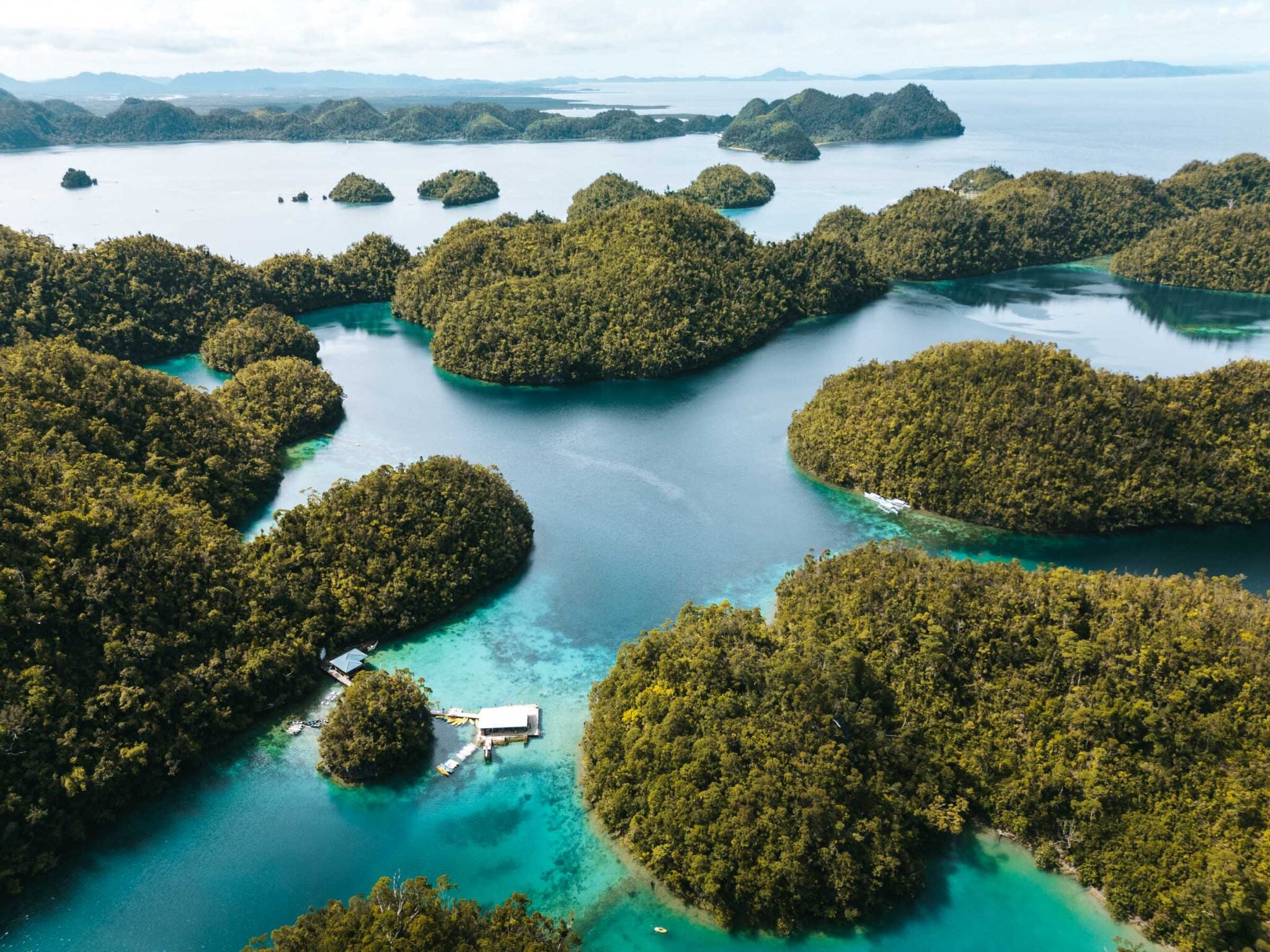
A teardrop-shaped island in the Philippine Sea where surfers, remote workers, and nature lovers carve out a laid-back life around Cloud 9's legendary right-hand reef break.
Monthly life from
$800/mo
Rent from
$300/mo
Buy from
$45k
Internet
Poor
Best time
Mar–May
Safety
7/10
Tourists
Medium
Good to know
Practical info
The scenery
A closer look
The numbers
What it costs
Prices are indicative estimates to help you imagine — not live listings.
Honest fit
Is this place for you?
You'll love it if
- Surfers chasing consistent reef breaks
- Remote workers comfortable with intermittent connectivity
- Nature lovers who enjoy lagoon and cave exploration
- Minimalists seeking an extended island pause
Maybe not if
- Those with regular hospital needs
- People reliant on high-speed wired internet for live work
- Nightlife seekers expecting clubs and bars until dawn
- Shoppers wanting modern malls or international brands
The honest picture
The good
- Renowned surf break a short paddle from shore
- Genuinely warm local community and low-key social scene
- Access to pristine lagoons, caves, and deserted islands
- Affordable living for long-term rentals
The trade-offs
- Frequent brownouts disrupt daily routine and electronics
- Limited healthcare options—serious cases require evacuation
- Rainy season floods roads and brings mosquitoes and dengue risk
- Remote location means supply runs take planning and patience
Daily life
Lifestyle notes
Siargao is a small island of roughly 200,000 people, best known for its barreling wave at Cloud 9, but life here extends beyond surfing. Residents wake early to buy fresh fish at the market in General Luna, then spend days working from cafes with patchy but improving internet, exploring mangrove forests, and cooling off in tidal pools. The rainy season brings dramatic downpours that flood roads, and power cuts are a weekly reality. Yet the island attracts those willing to trade urban convenience for endless ocean warmth and an unpretentious local rhythm.
Imagine your life here
Day-to-day revolves around the tides and power supply. Mornings are for surf or work until the afternoon heat sets in; evenings mean grilled fish at a beachside shack. Remote workers cluster at cafes like Shaka, nursing a coconut and a laptop between brownouts. Social life is informal—group boat trips to island sandbars are easy to organize, and someone will always know someone heading to a jungle party. The limited infrastructure means you learn to keep a headlamp charged and accept that the week's groceries depend on what the ferry brought.
More places like this
Chosen for you — these have a similar feel.


