Phu Quoc
Vietnam's largest island, known for its long sandy coastline and fish sauce production, increasingly reshaped by resort development with a small-town administrative center in Duong Dong.
Monthly life from
$650/mo
Rent from
$350/mo
Buy from
$55k
Internet
Average
Best time
Nov–Feb
Safety
7/10
Tourists
High
Good to know
Practical info
The scenery
A closer look
The numbers
What it costs
Prices are indicative estimates to help you imagine — not live listings.
Honest fit
Is this place for you?
You'll love it if
- Beach lovers who prefer a quiet shoreline over city life
- Remote workers with tolerance for spotty infrastructure
- Nature enthusiasts who enjoy forested hills and coastal trails
Maybe not if
- Those reliant on urban amenities and specialist healthcare
- Budget travelers expecting mainland Vietnam prices
- Nightlife seekers
The honest picture
The good
- Long stretches of accessible sand that are often quiet on weekdays
- Fresh seafood available daily at the market and small beachside stalls
- Slow pace that reduces stress and encourages a simple routine
The trade-offs
- Cost of living inflated by tourism, especially for imported goods
- Fewer healthcare options; serious conditions require evacuation to Ho Chi Minh City
- Heavy rainy season can make roads impassable and limit outdoor activity
Daily life
Lifestyle notes
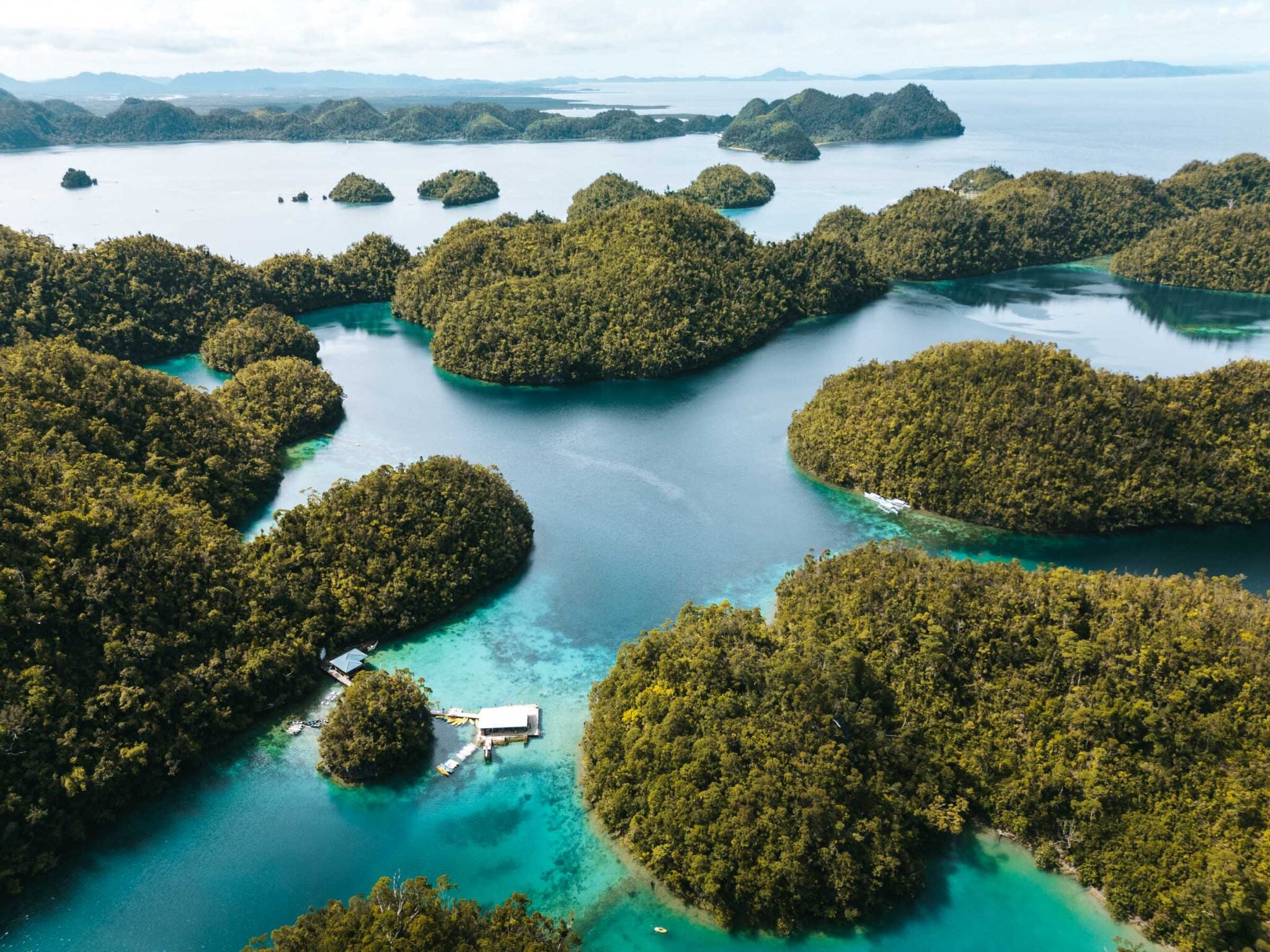
Phu Quoc sits in the Gulf of Thailand, about 45 km from the Cambodian coast. The island stretches roughly 50 km north to south and offers both dense forested hills in the national park and a ring of beaches. Duong Dong is the main town, where the morning market, local eateries, and a handful of western-style cafes cluster. Most long-stay residents base themselves in or near Duong Dong or along Long Beach, where rental apartments and houses are more available. Scooters are the primary transport; the coastal roads are mostly flat, while inland tracks lead to pepper farms, fishing villages, and quiet coves. The dry season from November to April brings steady sunshine and calm sea, while the rainy season from May to October can mean days of heavy downpours and reduced mobility. Infrastructure is still catching up to the tourism boom, so internet speeds and power stability vary by area.
Imagine your life here
Daily life runs on a small scale. You buy produce from the Duong Dong market, maybe a baguette from a roadside cart, and handle errands by motorbike. Work happens from a cafe or a dedicated coworking space, though the number of reliable laptop spots is limited. Afternoons can mean a swim at a less-crowded stretch of Long Beach or a ride to the An Thoi islands for a quiet picnic. Weekends might involve a cable car ride to Hon Thom or a hike in the national park. The expat community is small and transient; people come for a season or two, then leave when the isolation or limited healthcare pushes them back to the mainland.
More places like this
Chosen for you — these have a similar feel.