Krabi
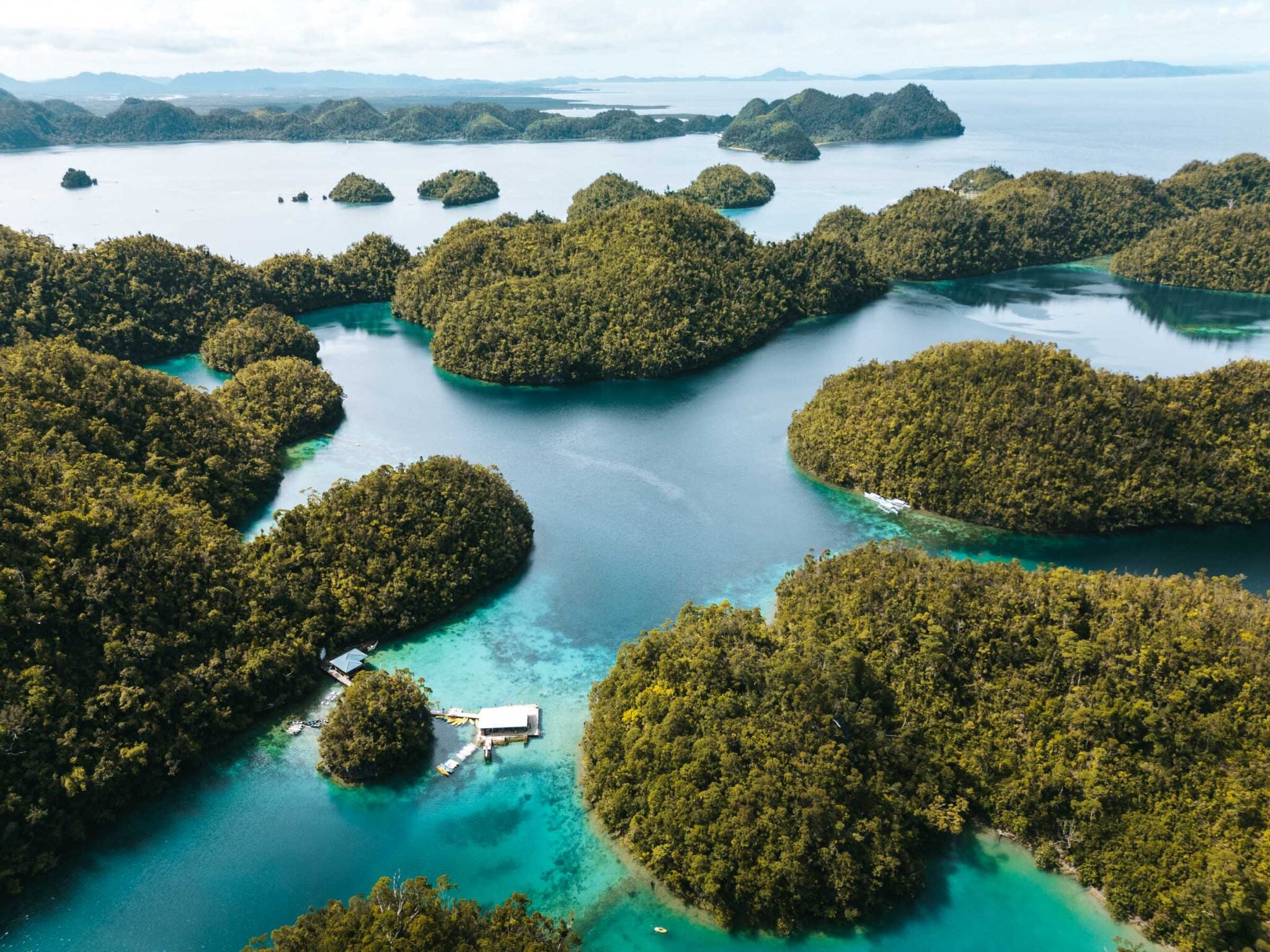
A coastal province of limestone karsts and island-dotted seas, where everyday local life moves slower than the tourist crowds might suggest.
Monthly life from
$700/mo
Rent from
$300/mo
Buy from
$55k
Internet
Good
Best time
Nov–Feb
Safety
8/10
Tourists
High
Good to know
Practical info
The scenery
A closer look
The numbers
What it costs
Prices are indicative estimates to help you imagine — not live listings.
Honest fit
Is this place for you?
You'll love it if
- Rock climbers and divers who want to live near world-class sites
- Remote workers seeking a calm, nature-rich base with adequate internet
- Couples or solo travellers who prefer outdoor routine over nightlife
- People comfortable with a small, seasonal expat circle
Maybe not if
- Anyone needing regular specialist medical care or fast emergency access
- Urbanites who rely on 24/7 convenience and robust public transport
- Those who find heavy monsoon rain and humidity oppressive for weeks on end
- Digital nomads who require a large, active co-working community
The honest picture
The good
- Easy access to quiet islands and beaches by long-tail boat
- Affordable rent in Krabi Town compared to Phuket or Samui
- A genuine local food scene that hasn't been entirely reshaped by tourism
- Strong, welcoming climbing community that creates social structure
The trade-offs
- Rainy season brings multi-day downpours that flood low-lying roads
- No real public transport; getting around requires a scooter, car, or negotiating with tuk-tuks
- Tourist congestion at Railay and Phi Phi in high season can feel overwhelming
- Limited international-standard medical facilities; serious emergencies mean a flight or long drive
Daily life
Lifestyle notes
Krabi stretches along Thailand's Andaman coast, a region defined by sheer limestone cliffs that rise vertically from emerald water. While millions pass through en route to Koh Phi Phi or Railay Beach, the town itself maintains a working rhythm: morning markets, long-tail boat engines at dawn, and a steady, unhurried flow of daily errands. Krabi Town is the administrative heart, with government offices, local schools, and a modest night market; Ao Nang, 20 minutes away, is the tourist-facing strip with cafes, dive shops, and a beach that serves as a transport hub rather than a swimming spot. A short long-tail ride opens up a lattice of mangrove forests, hidden coves, and islands that remain empty on weekdays outside of peak season. Three months here means learning the tidal calendar, knowing which months the sea is flat and when the monsoon downpours will cut off your electricity, and discovering that the rock climbing community is as much a social anchor as any bar. It is a place where nature dictates the daily schedule and where the line between tourist and temporary local blurs around the edges, especially once you start recognizing faces at the morning market.
Imagine your life here
Life here revolves around the water and the rock. Weekends are for kayaking through mangroves, taking a long-tail to a sand-spit island, or clipping into a sport route on Railay's overhanging cliffs. Krabi Town offers a more local, workaday rhythm with its morning market and riverside restaurants, while Ao Nang provides a comfortable base with enough cafes and co-working spots to keep remote workers productive. The digital nomad crowd is small but visible, often gathering at a handful of air-conditioned cafes before the midday heat sets in. Seasonal rhythms are strong: during the dry months (November to April) the province swells with visitors, and in the green season life retreats to covered terraces and extended lunch breaks, watching the rain move across the bay.
More places like this
Chosen for you — these have a similar feel.