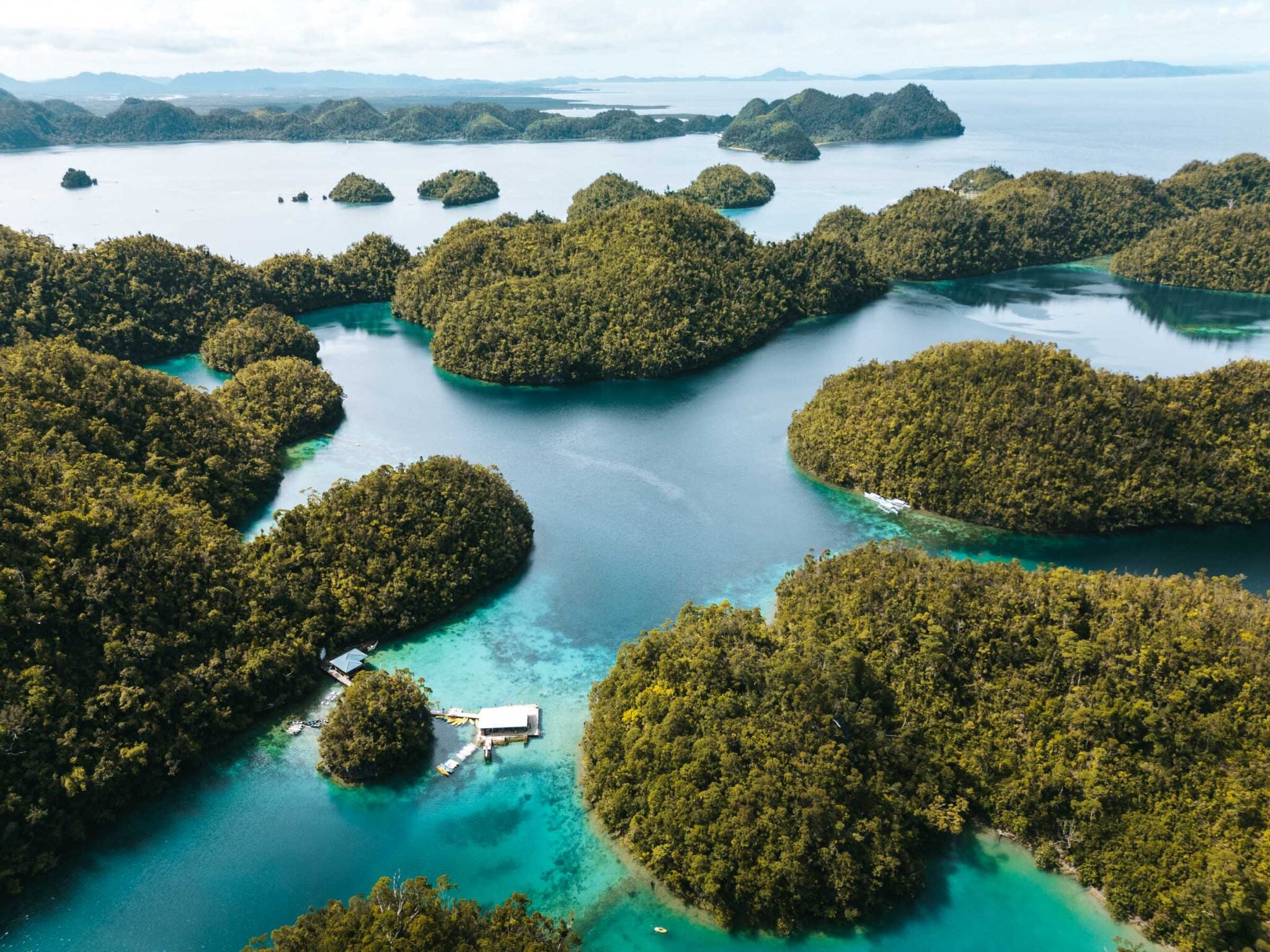
Siquijor
A small central Philippine island of roughly 95,000 people known for traditional healers, waterfalls, and a coastline that remains calmer than many neighbouring destinations.
Monthly life from
$600/mo
Rent from
$150/mo
Buy from
$40k
Internet
Poor
Best time
Dec–May
Safety
8/10
Tourists
Medium
Good to know
Practical info
The scenery
A closer look
The numbers
What it costs
Prices are indicative estimates to help you imagine — not live listings.
Honest fit
Is this place for you?
You'll love it if
- Solo travellers and couples wanting a quieter alternative to Siargao
- Digital nomads with a tolerance for intermittent connectivity
- Anyone curious about Visayan folk culture and herbal medicine
Maybe not if
- People who rely on 24/7 stable internet for real-time work
- Nightlife seekers expecting more than a beachside beer after dark
- Those who need immediate access to international-standard hospitals
The honest picture
The good
- Tourist crowds are noticeably thinner than on Bohol or Boracay
- Rent for a small house with a sea view can be negotiated below $400/month
- Marine life remains healthy in local sanctuaries, with turtles regularly sighted just offshore
The trade-offs
- Power outages of 2–6 hours occur weekly during the monsoon season
- No large supermarket; basic imported goods require a ferry to Dumaguete
- Medical facilities are limited to a small district hospital with no ICU
Daily life
Lifestyle notes
Siquijor sits south of Cebu and east of Dumaguete, accessible by a one-hour ferry. The 72-kilometre coastal road passes through six municipalities where daily life revolves around fishing, small-scale farming, and a growing but still understated tourism sector. Cambugahay Falls, a multi-tiered cascade with rope swings, draws day trippers, while marine sanctuaries off San Juan offer shallow reefs for snorkelling. Many visitors come for the island’s reputation in folk healing, particularly during Holy Week when healers gather to prepare traditional remedies. Long-term stays suit people who can adapt to limited nightlife, occasional power cuts, and the slow rhythm of an island where most businesses close by 9 PM.
Imagine your life here
Mornings start early here, often with coffee from a sari-sari store and a swim at a nearby beach before the sun climbs too high. Residents typically get around on a rented scooter; the entire island can be circled in a relaxed afternoon. Work happens between brownouts, at a handful of cafes in San Juan with backup power and passable Wi-Fi. Weekends mean waterfall trips, diving off Apo Island (a separate day trip), or simply reading in a hammock while waiting for the afternoon rain. The social scene is small and informal, centred on expat-owned guesthouses and the occasional village fiesta.
More places like this
Chosen for you — these have a similar feel.