Phuket
A large tropical island known for its beaches, forested interior, and a well-established base for remote workers and families, but with overtourism in peak season.
Monthly life from
$700/mo
Rent from
$500/mo
Buy from
$80k
Internet
Good
Best time
Dec–Mar
Safety
7/10
Tourists
High
Good to know
Practical info
The scenery
A closer look
The numbers
What it costs
Prices are indicative estimates to help you imagine — not live listings.
Honest fit
Is this place for you?
You'll love it if
- Remote workers wanting beach access and a well-established nomad infrastructure
- Families seeking international schools and accessible healthcare
- Divers and water sports enthusiasts needing year-round warm water
Maybe not if
- Those seeking a quiet, undeveloped island escape
- People who rely on robust public transportation
- Budget travelers (Phuket is pricey by Thai standards)
The honest picture
The good
- Year-round warm water and good diving/snorkeling within day trips
- Well-established expat services, from international hospitals to grocery stores with imported goods
- Thriving coworking scene in areas like Rawai and Phuket Town
The trade-offs
- Heavy traffic on main roads, especially during high season
- Many beaches crowded and polluted during peak tourist months
- High cost of living compared to other Thai provinces
Daily life
Lifestyle notes
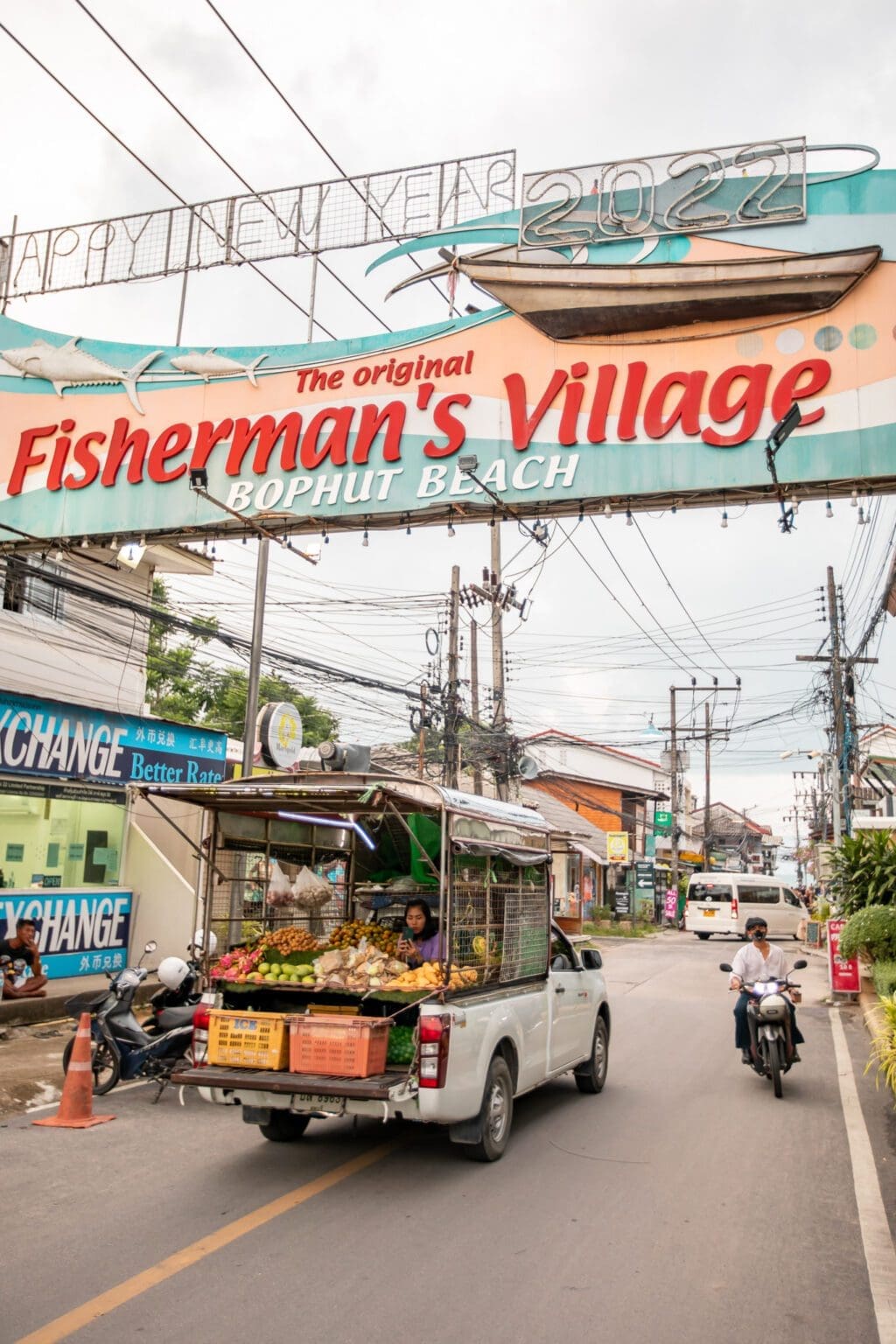
Phuket is an island province about the size of Singapore, connected to the mainland by a bridge. Living here means picking your microcosm: the neon and nightlife of Patong, the expat bubble of Rawai and Nai Harn, the local working port feel of Chalong, or the Sino-Portuguese lanes of Phuket Town. Daily life runs on scooters, and you will need one; public buses are scarce and the baht buses don't follow fixed routes. Wet markets, 7-Elevens, and Tesco Lotus anchor the errand rhythm, while international hospitals and schools make family stays feasible. The dry season (Dec–Mar) brings perfect beach days but also gridlock traffic and crowded anchorages. Monsoon months from May onward mean heavy downpours that flood low-lying roads and keep the jungle dripping, but they also empty the beaches and cut accommodation prices. Long-termers tend to gravitate to the south or east coast for a slower pace away from the jet ski din, finding a version of island life that still doesn't escape the hum of construction and the occasional smell of burning trash.
Imagine your life here
Mornings often start with a scooter ride to a local market for mango sticky rice and fresh coconuts before the heat sets in. Remote workers head to air-conditioned cafés or coworking spaces in Rawai or Phuket Town, often sharing a table with freelancers on education visas. Afternoons might be spent running errands at strip malls along Chao Fa West Road, or if it's a dry-season weekend, a slow drive across the island to a less-frequented beach like Mai Khao. Evenings revolve around sunset cocktails at beachside shacks, night markets for pad thai and grilled squid, or Muay Thai practice at a local gym. Rainy season changes the calculus: you learn to watch the sky and plan around downpours, stock up on mozzie spray, and accept that some days are just for watching the storm from under a shophouse veranda with a book.
More places like this
Chosen for you — these have a similar feel.